Let The Rhythm Take Control: The Rave Revolution

‘’Teresa, Huggy & Jasper (spiral bods)” Lechlade 92

Toward the end of the 1980s the new age traveller movement had been all but suppressed. The end of the decade saw a far more aggressive stance by the authorities, harsher trespass laws, and endless police roadblocks to sites such as Stonehenge. However, a new generation and music scene would proceed to take the countryside by storm….

The period of 1989-1992 saw an explosion of the rave scene in the UK, starting out with the Acid House scene, and later branching out into breakbeat, jungle and techno. A new generation replaced the hippies of 70s and punk generation of the 80s. In some cases, the punk generation of the 80s evolved into the raver/second generation traveller.

The opening of the 1990s saw more bad press for travellers with Michael Eavis banning travellers from Glastonbury festival. The 1990 festival saw an outbreak of violence in travellers’ field between the travellers and site security. A full-scale riot broke out and riot police were called in.

The event became famously known as ‘Battle of Yeo-man’s bridge’ and resulted in the cancellation of the festival the next year. Some account attribute the cause of the violence to heavy-handed festival security from Bristol. Eavis pointed to the travellers’ ‘’bitterness’’ as the cause of the trouble.

Either way, the beginning of the 1990s saw a surge in illegal parties and festivals that the nation had never seen before. Organisers worked through loophole in law by ensuring that the event went on all night. If events were parties that played music all night long, instead of festivals, it was difficult for authorities to break up illegal gatherings.

Where do I fall into all of this?

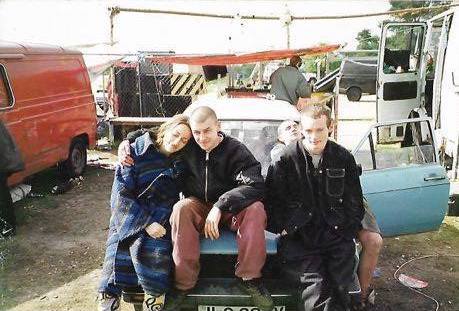
Below is a picture of my dad, in 1996, he was a part of this new rave generation. He became a part of the rave movement during the period of 1989-1995, travelling around with sound systems such as Spiral Tribe and the Liberators.
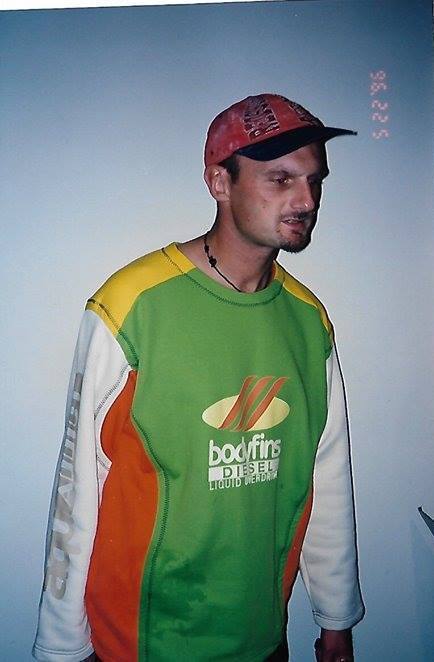
He has kindly provided much of the material for this week’s blog. I would like to thank him for scanning through his collection of photos, newspaper cuttings and Spiral Tribe memorabilia. Many of the details about the raves I will explore today are informed by accounts he has provided me. 

It important to consider that transitions between different traveller generations were never rigid. When we consider generation waves of social movements and counterculture, we often consider them as often isolated from another, usually between a decade. Just as crossovers occurred between the hippie generation and punk generations during the Stonehenge period, there was a large crossover here.

According to my dad, the relationship between ravers and the older generation of travellers was a love/hate situation. The travellers liked the free parties, but didn’t want the ravers hanging around their sites. I presume some of this would be attributed to the large amount of police attention ravers received and the surrounding drug culture that got heavier as the years passed. 

This was not a new narrative; the hippie generation and punk generation of travellers had also been at odds in their outlook. But eventually hybrids are formed, and in the eye of the outsider, they all begin to fall under the “traveller” label. 

City and Country:

A migration between urban and rural spaces, as seen in the early 70s, returned in the 1990s. Road networks such as the M25 circuit around London became the hub for the search of free parties through re-direction points, flyers and word of mouth.

The impact of the police crackdown during the previous decade re-shaped the infrastructure. A negotiation between urban and rural spaces returned as we can see in the Newspaper cutting of ‘solstice rave’ in Canary Wharf, London 1992. The legacy of free festivals and Stonehenge and its spiritual iconography were passed on to the rave generation. Furthermore, this rave occurred after the infamous Castlemorton rave of the same year. A event heavily inspired by the Stonehenge free festivals.
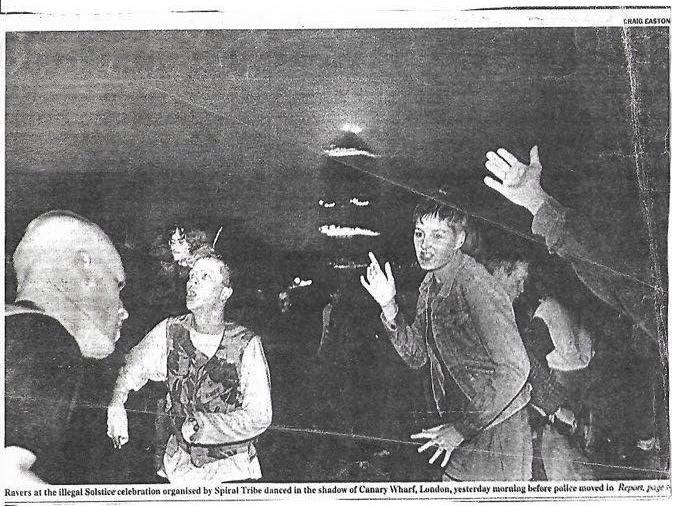
A newspaper clipping 1992

The aftermath of Castlemorton could be attributed to the resurgence of pagan celebrations, e.g solstice, within urban spaces. It also shows the how the demographic of these free parties were predominantly city based.

Again,expeditions away from the city provide the same narrative of a desire for escapism and freedom. If you look at footage of Castlemorton and any other rave, it events look like a yearning toward to a more archaic time.

With names of sound systems such as Spiral Tribe, samples of tribal beats and people dancing in a trance like states, it clear the where the anti-modern sentiment lies. The use of large anthropomorphic totems built alongside sound systems added to this sense of ritual.

The free parties, alike to their free festival predecessor, held a ceremonial aesthetic in the gathering and people and music. The differences from tribes or free festival predecessors, was the monstrous rigs blaring out futuristic repetitive beats. The soundtrack of era certainly encapsulated tensions between finding euphoria in a rural oasis and a modern urban dystopia.
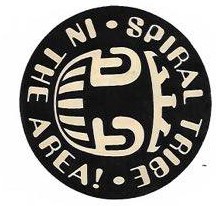
A Spiral Tribe pin badge @Sean O’Keefe

Again, the same issues with the local infrastructure began to arise again with disruption to farmland. At Castlemorton it was reported that 20 sheep were savaged by dogs over the course of the weekend. Tensions between the travellers at Stonehenge and Wiltshire farms were of the same cause the previous decade. However, according to other reports, the children of these farmers were also attendees at Castlemorton.

Issues of environmental damage were again raised. News reports and video footage convey the large amount of litter and lack of sanitation that caused long lasting environmental damage to sites.

1994 Criminal Justice Bill and aftermath:

The 1994 Criminal Justice bill built upon the 1986 Public Order Act and enforced stricter sections against trespassers and squatters. (A clause in the bill even outlined the issue of ‘repetitive beats’.) Some attribute Castlemorton as the cause of the bill after the large moral panic in its aftermath.

The bill had a large backlash from sound systems, football hooligans civil, liberties and animal rights groups alike. Numerous demonstrations against the bill in London were organised with turnouts of over 20,000 people. On the 3rd demonstration in October, Class War activists clashed with police inciting a full scale riot in the city.

During this period many sound systems began to move out of the country to organise free raves in Europe. This could be attributed to both the growing popularity of UK rave culture crossing over in Europe, and large amounts of negative police attention upon sound systems after Castlemorton and the 1994 bill.

The photos below were taken by my father at the 1994 Milau France Teknival when he travelled with Spiral Tribe. The Teknival was organised up in the French mountains with no running water on site, thunder in the skies, and nearby picturesque rivers for swimming and bathing. Ironically, despite effort to branch away from the UK scene in light of the new bill; the French authorities were as equally brutal with their crackdowns. Military police were dispatched up into the mountains to shut down the festival.
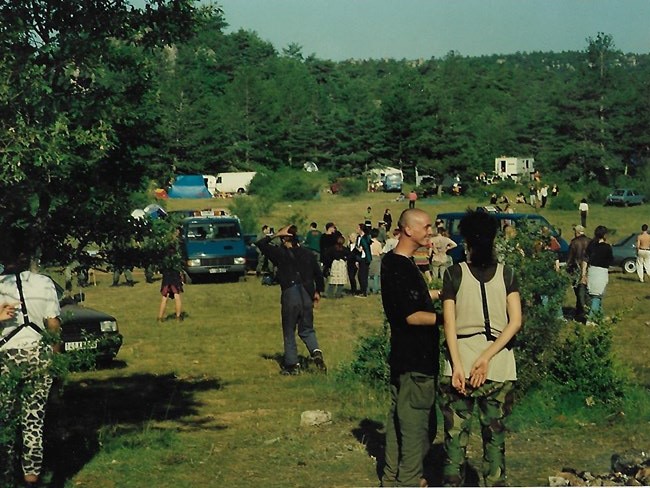
Milau Teknival (Daytime) @Sean O’Keefe

Eyewitness accounts report of a brutal attempt at a roundup, with festival goers being dragged out of tents. The French authorities, however, were unable to contain the sheer number of people (4,000-5,000) and made a hasty retreat. 
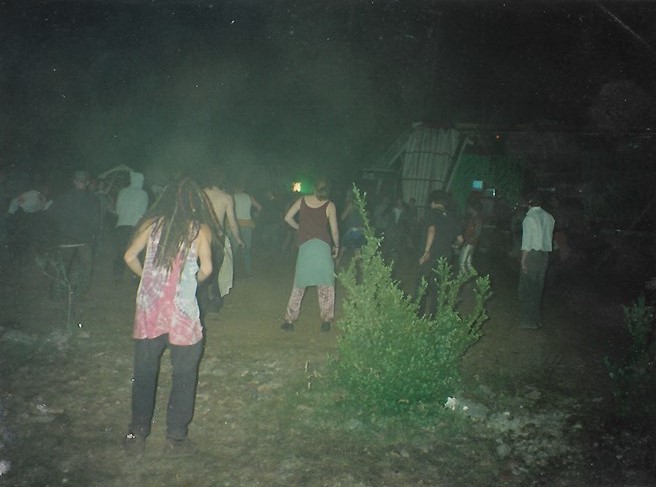
Milau Teknival (Night time) @Sean O’Keefe

1995

The implementation of the Criminal Justice Bill provided greater opportunity for the police to violently crackdown on the organisation of illegal parties. Furthermore, police now had the authority to confiscate sound systems and provide hefty fines. 

The Woodbridge rave in 1995 saw the impact of the bill with police roadblocks around the site to prevent the free party. My party reported to me that he travelled down in a van with decks and equipment for the party and was forced the ram through the blockade. The rave was on the anniversary of D day and lasted 2-3 days long nearby an air base. Eventually police entered in full riot gear. Arrests were made and all equipment was confiscated. The rigs/sound systems took months to be returned, showing the disruption the illegal rave circuit at the hands of the new bill.   
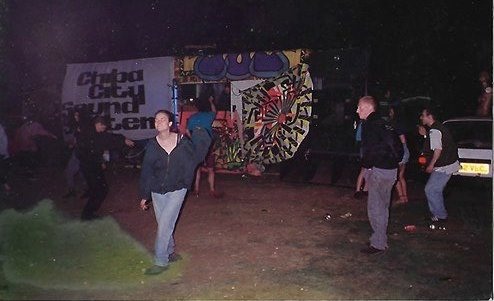
Woodbridge 1995 @Sean O’Keefe

Conclusions:

The end of the 1990s saw a fizzling out of illegal parties with the rise of commercial clubland, and new laws ensuring the cons outweighed the pros. The illegal scene and New Age Traveller are still alive today in remnants, but the large phenomenon it once was died out at the end of the 20th century.

Who knows, with an impending economic recessions, a number more of years of austerity, maybe both movements have the fruition to come to life once again…

References/Sources:

The Battle Of The Beanfield ,ed. by Andy Worthington , 2 edn (Eyemouth: Enabler ,2005).

James Hall, ‘When Glastonbury caught fire: The story of Battle of Yeoman’s bridge ‘, Telegraph , 20 June 2019
Anarchy in the 80s: Stonehenge and the battle of the Beanfield

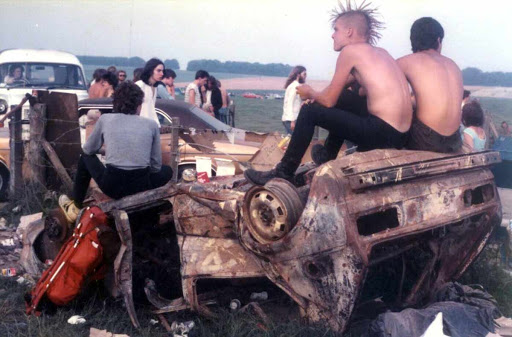
A punk sits on a burnt out car with others on site circa 1984 @UK Rock festivals

Last time we ended off with the emergence of the clear network of free festival circuits for new age travellers. This golden period incited a greater recognition from the public and press (for better or worse), and a peak number of attendances to free festivals.

In the previous article, I discussed the development of Stonehenge free festival and the people behind it. This time I will detail the developments during the late 70s and mid 80s. I will explore archived footage and images to provide in attempt to provide the most effective historical representation as I can.

Unlike the last article, it will be easier to give the reader a better footing due the sheer amount of raw footage and documentaries on Stonehenge festival circa 1979 onward.

The most fascinating footage I found was recording of people walking through different sectors of the festival. The structure of Stonehenge festivals looks like a prototype for the contemporary open field festivals we see today.

This period of the free festival scene marked the introduction of a new wave of travellers. The anarcho-punk generation of the late 1970s slowly began to assimilate with the wider new age traveller scene. It was here that the free festival circuit began crossover with the wider political protests during this period of socio-political turbulence circa 1979-1984.

Furthermore, the growing number of economic refugees in Thatcherite Britain not only bolstered the size of the festival circuit and traveller community, but also revealed an emerging dark underbelly…

The new age explosion in context:

The impact of Thatcherism of the late 1970s certainly bolstered the numbers of the New Age Traveller movement. The economic recession during this period, and policies under the newly elected Conservative government, left many homeless. The only option for many was live out of their cars or vans and travel the roads.

Again, we can see from this period a second wave of diaspora from urban to rural. Unlike those who volunteered to drop out of society in the earlier periods, many of the newer travellers had little agency. I would consider this a major factor that bulked up the attendance of Stonehenge free festival to the likes of 100,000 people.

Also, within this period of depression, I think a lot of people used the Stonehenge free festival as an escape from their everyday realities. Their newly acquired lifestyle was hearkening back to more archaic times, away from the restrictions of modern life. What better place to channel this desire for the past and pursuit of freedom than the Druid site of Stonehenge?  

As well as this, the independent community at Stonehenge provided people who were unemployed greater work opportunities and quality of life. People could use their skills and trades within the large co-dependent society.

It was in this transitional period that concreted the presence of the New Age Travellers within the rural countryside. The change to nomadically living in vehicles (some even tipis), and migrating to various camp sites around the country, broke down the old seasonal migration model of city and countryside.   

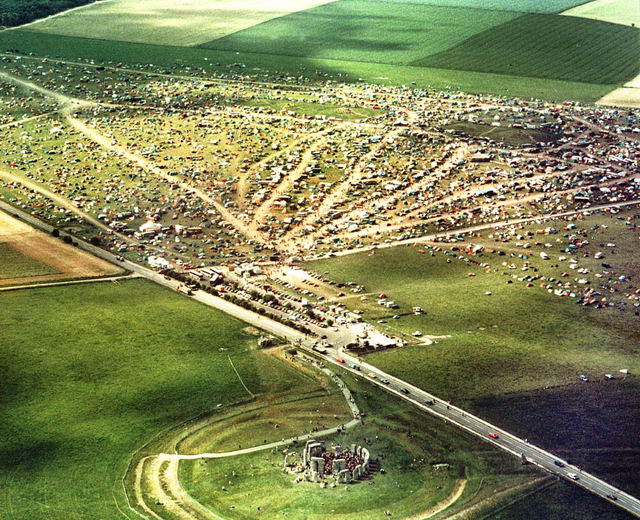
If you look at the images and footage I have featured, you will see the large site of the free festival looks like something reminiscent of a Mad Max film. It is surreal in an age where most gatherings are highly government regulated and professionally organised, to see such a large independent self-sufficient society based within a free festival. You get a sense of pure freedom of those living on the Stonehenge site.

A birds-eye view of the festival @On the Road

Origins of the convoy: mapping free festivals and political protests:

The iconic peace convoy that has become widely associated with the New Age Traveller movement did emerge until 1981. Travellers moved to the Greenham women’s peace camp to support in their protests against nuclear weapon sites in Berkshire.

Here we see a growing relationship between political factions engaged in protests against governmental policy, and individuals pursuing a counter-cultural, spiritual and musical lifestyle.

Returning to this ‘peace convoy’, a group 120 vehicles they moved away from the Wiltshire site in support of the Greenham protests. 1982 saw an even larger convoy of 135 vehicles set of for Greenham.

It could be argued this this increasing mobilisation between new age travellers and political groups is what ensued the government to clamp down on them so aggressively. The growing number of discontent people in protest was a threat to the government in the city, let alone in the countryside as well.

The Peak and its repercussions…

The 1983 Stonehenge saw a peak in attendance with eyewitness reports of approximately 30,000 people attending, and 70,000 visitors over the duration of the festival.

From the footage of Babylon Straight archived on YouTube you can see how amazing the innovation people employed during the festival’s peak. The highlight for me is a solar powered cinema showing blockbusters such as E.T. (If it worked anyway, looking at the grey English weather, i’m sure a diesel engine had to step in.) 

The demographic of the festival in the footage also reveals a motley crew of hippies with shoulder length hair and eastern woven patterns, bikers, punks, rockabillies and dodgy mullets galore.

It was in this period that things began to become problematic. Tensions with the National Trust begun with attendees on site cutting down trees for wood. National Trust was forced to intervene and provide a surplus of wood to prevent further damage the heritage site.

The overpopulation of the festival became a paradox to its surrounding spiritual and green ideologies with destruction of protected land. Perhaps the site can be considered a microcosm for how overpopulation places strains on infrastructure and drains environment resources, even for those who aim to preserve it?

Alongside this issue, the heroin epidemic of the 1980s had also began to seep into the new age traveller scene. The National Trust demanded that any heroin dealers were to be removed from the Wiltshire site by festival organisers.

In response, any of those who were caught using or dealing heroin were evicted from the site. This system of self-policing for trouble makers became a system for all free-festivals and later free raves in the 1990s.

But these two factors highlight the impact of the city diaspora upon the sacred national trust site. Firstly, the transfer of the social issues within the city via economic refugees into the site of Stonehenge. Secondly, the repercussions of over-population on the festival site’s infrastructure, its position as an alternative state, and its surrounding natural features.

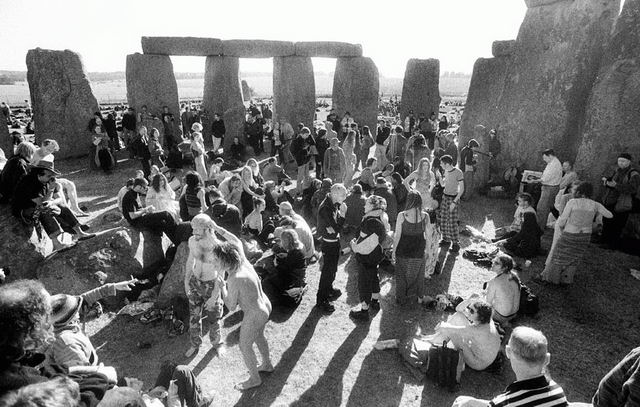
The motley crew of new age revellers gather by the stones @Alan Lodge

1984: The Turning point

It was looking to be the beginning of the end in 1984. The year the last free festival was held at Stonehenge. The police tactics in dealing with traveller groups became far more draconian.

By 1984, with the rising tensions and diminishing tolerance; Police, National Trust, English heritage and local land owners proposed a plan to block access to the Stonehenge site the proceeding year.

It was during this period in time that authorities began to respond with violence not seen since the 1974 Windsor Free Festival.

Beyond fall outs with the authorities, tensions between political activists and travellers had also started to occur. In 1984, Travellers disrupted a peaceful animal rights protest by pulling down fences.

Travellers then moved down to the US air force base Boscombe Down, again using the fence tearing tactic. The consequences was the destruction of the months of negotiation for a fragile relationship between peace activists and USAF airbase security. Some accounts state that the police in the aftermath responded aggressively with riot vans that cut up convoys and smashed windows of vehicles.

After the Porton Down licensed festival, a morning raid was conducted by riot police who had been suppressing nearby miner strikes. The aftermath was 360 arrests, imprisonment for a fortnight without charge, and hefty court charges.

The last Stonehenge festival had a turnout of approximately 70,000 people. This festival is where I found the largest amount of written accounts on the web. I will provide links to them at the end of the article.

Eyewitness accounts shade light on druids performing rituals at the stones, naked revellers running about the place, strange crossovers between Punks and Hippies in the crowd, burnt out heroin dealer’s cars; all to the soundtrack of Hawkwind…

The downfall of 1985

1985 opened with the eviction of the Rainbow Camp in Molesworth, Cambridgeshire in February. Peace protesters, travellers and members of Green organisations were evicted by the largest recorded peacetime mobilisation of troops.

The convoy was left to wonder after this, with various injunctions, media smear campaigns and police attention all closing in on them.

The event that put the final nail in the coffin for Stonehenge free festival, and the traveller/free festival network, was of course, The Battle of Beanfield. I won’t delve too deeply into the event because Andy Worthington already has a fantastic book providing many different accounts of the event. You can also find many other documentaries across the web.

1985 saw an optimism of the festival going ahead despite various injunctions from the National Trust. A convoy of 600 travellers however, were met with a force of 1,200 police officers. Dubbed ”Thatcher’s Army”, the core of police officers had recently quelled the Miners Strike the previous year. It was only a matter of time until the new age travellers fell into their cross-hairs.

What proceeded has been reported as some of the unprecedented brutality at the hands of the police force. Men, women and children were beaten to a pulp, convoy windows were smashed and vehicles were burnt out. Out of the carnage 16 travellers and police men were hospitalised and 500 travellers detained.

The convoy was broken, many travellers left the Beanfield with neither their homes or belongings. The 1986 Public Order Act gave police greater powers to evict trespassers, ensuring that any future attempts to re-establish free festival sites were quickly locked down.

The Mid to late 1980s was a pessimistic time for New Age Traveller. After Beanfield, the movement was splintered with little hope of regrouping to its previous numbers. But a growing scene of strobe lights, repetitive beats and doves would change that all. More next time…

References and sources:

The Battle Of The Beanfield ,ed. by Andy Worthington , 2 edn (Eyemouth: Enabler ,2005).

Barbara Bender, Stonehenge:Making Space (Oxford:Berg,1998).

Alan Lodge , One Eye On The Road: A Festivals & Traveller’s History () <http://digitaljournalist.eu/OnTheRoad/&gt;

Jack Mckay, Stonehenge Free Festival 1984, diary (2012) <https://georgemckay.org/festivals/stonehenge-84-diary/&gt;

Frankie Mullin, The Beginning of the End for Britain’s Illegal Raves: Remembering the ‘Battle of the Beanfield’ (2015) <https://www.vice.com/en_uk/article/avyg4p/battle-of-the-beanfield-30-year-anniversary-344&gt;

Paul Sorene, ‘Sex n Drugs n Rock n Roll’ – The Last Stonehenge Free Festival in Photos (1984) (2019) <https://flashbak.com/the-last-stonehenge-free-festival-in-photos-1984-417008/&gt;

Stonehenge: rebellion, suppression and acid pranksters

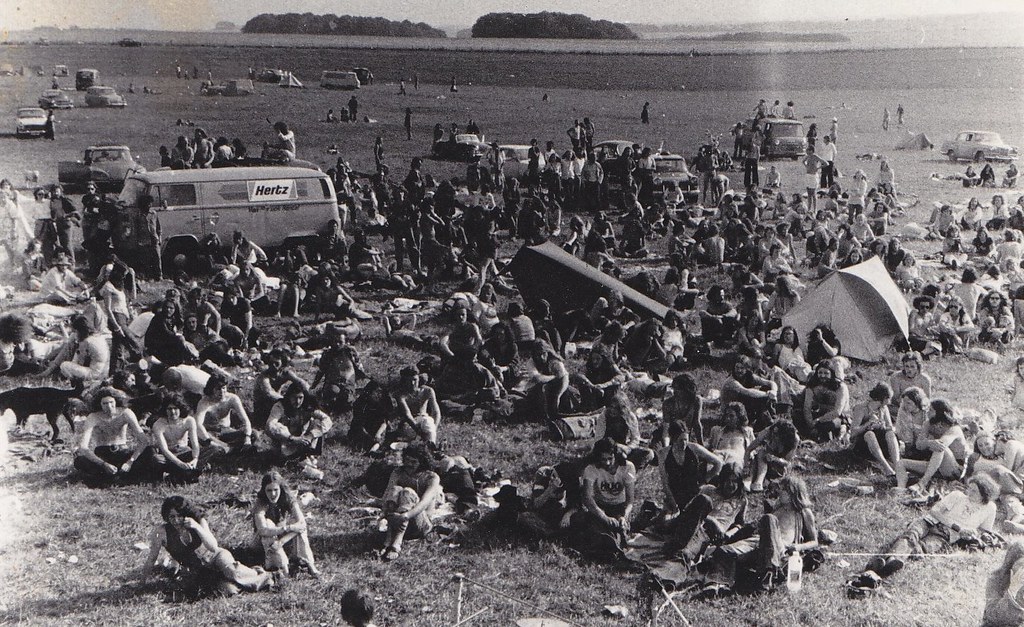
Stonehenge Festival Circa 1975 @Basil & Tracey books

Picking up from where we left off with the discussion of the beginnings of Glastonbury festival; I would like to explore some of the festivals that were occurring alongside circa 72-77.

The free festivals we will explore today adopted the spirit of Plume City with a far greater political edge than the likes of Glastonbury. A repercussion of this was altercations and tensions with the authorities. A season migration was also beginning to grow from the urban city squats and communes to the summer free festival circuit. This would later evolve into the rural nomadic lifestyle commonly associated with the New Age Traveller movement today.

If you are interested in reading further about Stonehenge and The Battle of Beanfield, I highly recommend reading Andy Worthing two books (links to his website at the end). I will be using Worthing’s The Battle of The Beanfield as a primary point of reference for this week.

I have struggled to find other sources to cross reference this week, bar a few newspaper articles. However, I believe these events are important in establishing links and archiving my own material and pictures in later blogs. I’m not covering any new ground here, but I think it’s important to relay the information you may struggle to find on the web.

Windsor free festival 1972-1974

The Windsor Festival set the blueprint for what would later be the Stonehenge festival. It was illegally organised and branded as ‘’The people’s free festival’’.  In contrast to the likes of Glastonbury, the event was anarchistic in both its nature and infrastructure with a complete absence of gates or fences.  The attendance of 700 people was nearly outnumbered by the police.

The proceeding year saw an attendance of 8,000 people over the course of 10 days. Windsor free festival began to develop a self-serving infrastructure to cater to attendees with the trade of handmade goods, food and narcotics. For the 10 days of the festival, this helped establish a independent community. This would later be replicated in the Stonehenge free festivals.

The last festival was in 1974 and had an attendance of 60,000 people. It went on without its founder Bill Dwyer who was incarcerated for two years for possession of LSD and causing public nuisance. Imprisonment became an everyday reality for both attendees and organisers of illegal free festivals.

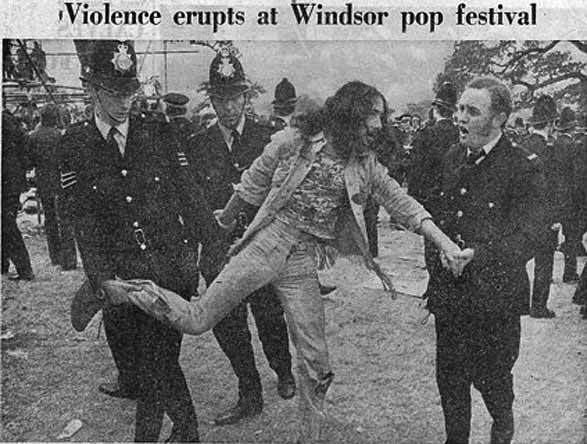
Thames Valley Police had a heavy-handed turnout at the 1974 festival. A high level of reported police brutality a week after the festivals set up led to the festival being shut down. By the end of the weekend there was 220 arrests and 50 injuries (including police officers).

A group of people posing for a photo

Description automatically generated
A newspaper cutting of a man being detained during clashes between festival attendees and police.

Stonehenge Free Festival 1974-1977

The mind behind the Stonehenge free festival was Phil Russel (Wally Hope). His disillusionment with the Windsor free festival inspired him to organise a massive tribal gathering at Stonehenge. After a stint at wormwood scrubs, Russel founded the cult-like group, ‘’The Wallies’’, to place his vision into action.

The first festival took place during the summer solstice of 1974. Unlike the whooping 60,000 attendees of Windsor that same year, the first Stonehenge festival had a turnout of a mere 500. A group of 30 proceeded to stay after the solstice. Russel and the Wallies were soon taken to court and evicted. But despite interference from the authorities, the Wallies immediately returned to the site and remained there until Winter solstice.

1975 was the second festival with an attendance of 2,000. Phil Russel was unable to attend after being arrested for possession of LSD. Soon after, he was sectioned under the mental health act; he passed away later that year. The circumstances of his death vary in account. 

1976 saw 5,000 people arrived at Stonehenge festival. The festival was a dedication to Russel’s life and his ashes was scattered on the site. Several other festivals had sprung up over this period (Albion Fair, Psilocybin festival, Deeply Vale) that helped establish a network of free festivals to move to and from throughout the year.

In conjunction with this, the 1977 Criminal Law Act saw stricter squatting laws that pushed out a lot of drop outs, hippies and seasonal travellers. The culmination of a diaspora out of the city and a more concrete festival circuit is what can be attributed to the creation of the New Age Traveller movement today.

Around this transitional period of the free festival scene, far more people began to adopt camper vans and other vehicles that will later be dubbed the ‘’convoy’’.

Next issue, we will explore the golden era of Stonehenge and subsequent downfall of the new age travellers…

References/sources:

The Battle of The Beanfield, ed. by Andy Worthington, 2 edn. (Eyemouth: Enabler, 2005)

Andy Worthington , 30 Years On from the Last Stonehenge Free Festival, Where is the Spirit of Dissent?  <http://www.andyworthington.co.uk/2014/06/21/30-years-on-from-the-last-stonehenge-free-festival-where-is-the-spirit-of-dissent/&gt;

On This Day 1950-2005 BBC News, 1974: Rock Fans clash with police at festival, <http://news.bbc.co.uk/onthisday/hi/dates/stories/august/29/newsid_2536000/2536393.stm&gt;

The Glastonbury story

By the 1970s the free festival scene had begun to take full flight with several festivals organised in Windsor, Isle of Wight, Stonehenge and Glastonbury. The most recognisable festival to come out of this period is of course, Glastonbury. Glastonbury has not only become a staple in rural festival culture, but in wider British culture. In 2019 it became the largest greenfield event in the world.

All images/artefacts used in this article are courtesy of The Museum of English Rural Life. If you interested, you can view them at the museum on University of Reading’s London Road Campus. 

A picture containing sitting, indoor

Description automatically generated
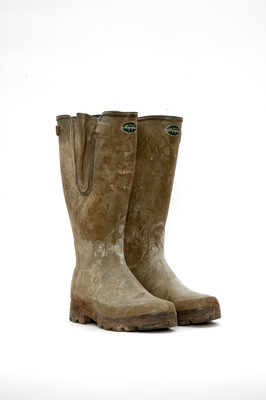
Michael Eavis’ wellington boots. On display at the ”Town and Country’ exhibition at the Museum of English Rural Life

These Wellies signify the entrenchment of festival and counterculture into rural life and infrastructure. Why you may ask? These Wellington boots belong to Glastonbury Festival founder, Michael Eavis. Before his creation of the festival, Eavis was a dairy farmer at his farm in Pilton, Summerset (he remains a farmer outside festival season). He was inspired to start the festival after seeing Lead Zeppelin at an open-air concert.

This alongside Michael and Jean Eavis’ admiration of ‘’flower power’’, persuaded him to organize the first festival in 1970. Jean Eavis is often overlooked in the establishment of Glastonbury festival. Jean was Co-founder of the festival and helped in its running until her passing in 1999. People often place Michael as the face of the festival, but it was the both of them together that helped build Glastonbury to what is is today.

The debut festival was £1 entry with T-Rex as headliner. The attendance of the festival was small with only a few hundred hippies/travellers. The only archived footage of the event I could find is available on an ITV interview.

The proceeding festival in 1971 transitioned the event into a free festival (with the help of sponsors). ‘’Glastonbury Carnival’’ saw the debut of the iconic pyramid stage, with headliners such as Hawkwind and David Bowie. The weekend saw an attendance of 12,000 people and a television recording.

After the 1971 festival, Glastonbury had an 8-year hiatus. It was in this returning period that saw the festival’s rise to a commercial success, attracting attendees from all over the world.


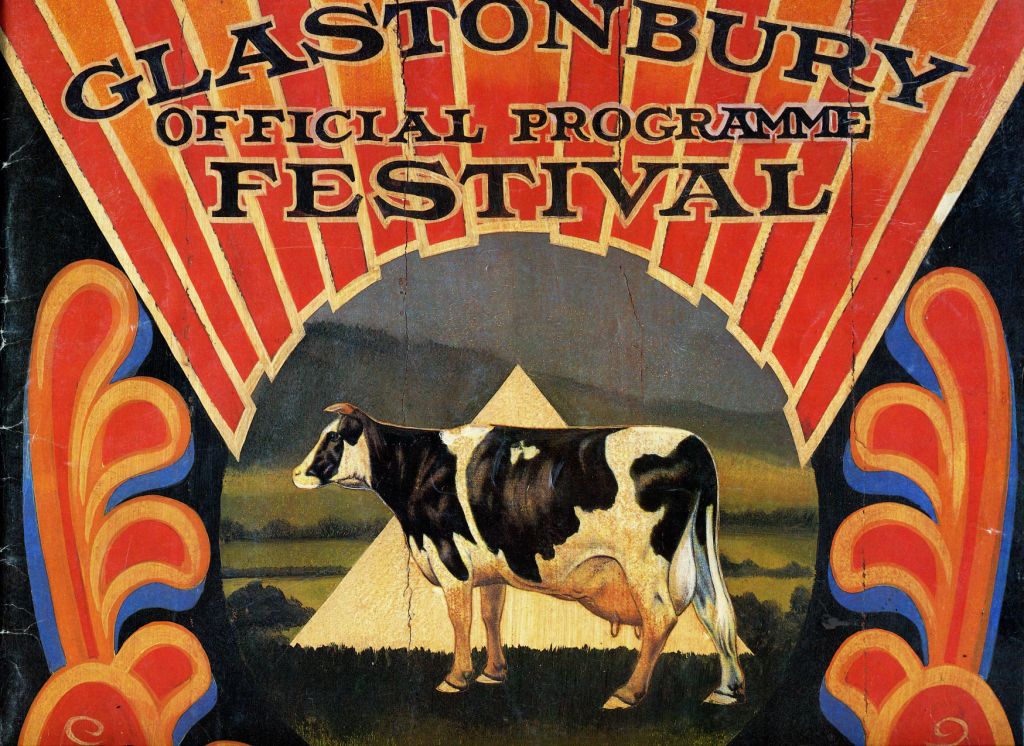
The iconography of this 1989 poster mingles together Eavis’ identity as dairy farmer and festival organiser by merging the cow and pyramid stage into one symbol.

It is significant that Eavis’ inspiration to start the festival was rooted in his boredom of being a dairy farmer. Maybe a loss of traditional rural culture, such as folk culture, could be attributed to this?

Either way, his move to create the festival was a big step in mingling the rural countryside alongside urban counterculture. It could be considered his attempt to modernise the English countryside with popular culture.

Despite the potential abandonment of traditional rural culture, Glastonbury holds heritage as a site of spirituality prior to the festival. Glastonbury is often considered the ‘isle of Avalon’ and Druidic centre of learning.

Again, we can see this mingling of music counterculture and mysticism. The festival today still facilitates such practises with ‘The Healing Field’ and ‘The Sacred Space’ sites to practise ritual experimentation.

Alternative practises previously conducted in the city, with spaces such as Gandalf’s Garden, were now facilitated within the rural through music festivals. In this sense, the Glastonbury festival re-vitalised the space’s heritage as a Drudic site by placing it alongside music culture.

Beyond Glastonbury, the other spiritual site that facilitated both mysticism and music festivals was Stonehenge. But as we shall see in my next blog, the repercussions to these practises were far less hospitable.

Beyond this mingling with popular music culture, Eavis also allowed a group of travellers to settle on the Glastonbury site during the festival. This commonly became to be known as the ‘’traveller’s field’’ on the out skirts on the festival site. Unlike other rural landowners’ relationships with traveller groups, this was one of the few that remained harmonious (for a time anyway). We will get to that later…

References and sources:

 Beyond New Age: Exploring Alternative Spirituality , ed. by Steven Sutcliffe, Marion Bowman , 2 edn (Edinburgh: ,Edinburgh University Press, 2000).

The Battle of The Beanfield, ed. by Andy Worthington, 2 edn. (Eyemouth: Enabler, 2005)

James Deblingpole, ‘A Good Man in Glastonbury ‘,The Independent ,18 June 1995

Judge Rogers, ’12 moments that made the modern music festival’, The Observer, 29 March 2015

Michael Eavis looks back on 50 years of Glastonbury:  https://www.youtube.com/watch?v=lgoSt-chrm0

New Age Origins: A Sixties Phenomenon

To contextualise to the grass roots of the New Age Traveller movement is a difficult one. Its hard to pin down one singular event that kick started it all because it emerged out of various counter cultural circles and music events (mythical groups, music concerts, free festivals). However, all of these were a by-product of the swinging 60s. The summer of 1969 marked the beginnings of the New Age Traveller and free festival movement.

This week’s blog has required me to look to other WordPress blogs for both images and key information. In my introductory blog I used academic sources. However, the grass roots of the New Age traveller movement is not on academic record.

Beyond New Age: Exploring Alternative Spirituality helped me establish a starting point. My role as curator has required me to delve deeper to draw links between this spiritualist movement and the wider counter-cultural music movement.

The angle I shall provide in the curation of this blog is that they perpetually inform one another. After all, free festivals were conceptualised as ‘social experiments’ rooted within hippie bohemia and spirituality.

During my research I discovered some fantastic blogs that have archived both photographs, literature and first-hand accounts. I shall include the links to these blogs at the end of the article.

In the city

There is a centrality to the two key events I want to discuss first, and that centrality is London. The first is the Underground Gandalf’s Garden, a zine and shop that explored mysticism and spirituality. The second, the famous Stones in the park festival.

Gandalf’s Garden

Gandalf’s Garden was a shop in the World’s End district of Chelsea. Gandalf’s Garden first emerged as a periodical in 1968; the Chelsea shop later opened in 1969. The movement served to stimulate the practise of yoga, meditation and other Eastern religious practises within the hippie/freak scene. It is often considered the grassroots of New Age spirituality within British Counterculture.

A close up of a logo

Description automatically generated
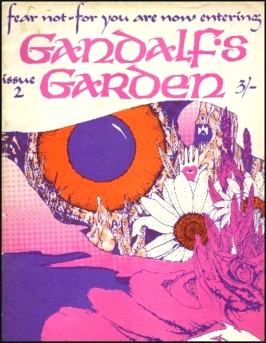
Issue 2 of the Gandalf Garden magazine

It significant to identify Gandalf’s Garden as a key benefactor of the development of the New Age Traveller movement. For one, it highlights how the surrounding ideologies of new religion and spiritualism are inherently urban. In the proceeding decade, these ideals would later be transferred into the country side through the free festival scene.

A group of people posing for a photo

Description automatically generated
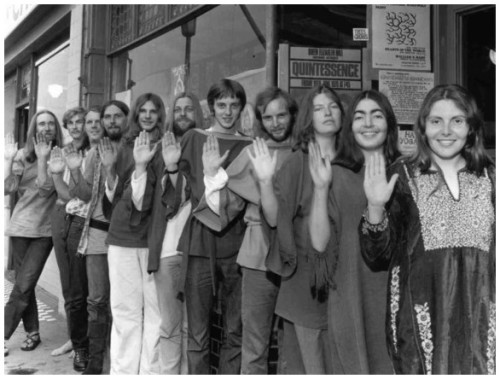
Some regulars outside Gandalf’s Garden, Chelsea 1969

Above we see a shot of some of the involved in Gandalf’s Garden taken by Colin Bord. As we can see the fashion here could be considered proto-traveller. Long hair (more kemped and clean that later traveller counter parts) and eastern influenced fashions. Throughout the free festivals throughout 1969-70 we see a similar ‘hippie’ archetype to this in variations. 

Stones It The park

On 5th July 1969 a free festival was organised in Hyde Park with headliners The Rolling Stones and an array of support acts. The festival was The Stones’ historical come back after a 2-year hiatus. The concert drew a crowd of 200,000 to 500,000 people. I won’t drone on too long about the festival as it is already a very well documented event. But if you look the articles I have linked at the end of the article, you will see a ragtag bunch of hippies, hell’s angels, students, bikers in the crowd. These mingling of bikers and hippies will be become a recurring theme for more shambolic free festivals such as Phun City.

What is Stones in the park’s relation to Gandalf’s Garden? Well in the same year we see a congregation of Rock N Roll Bohemia alongside spiritual ideologies within a green space. We can see this gig as a president for all later free festivals and its demographic echoing the populous of the soon to become New Age Traveller movement. In relation to festival culture in the UK, it served as a blueprint for modern day Glastonbury festival attendance sizes.

Cambridge Pop Festival

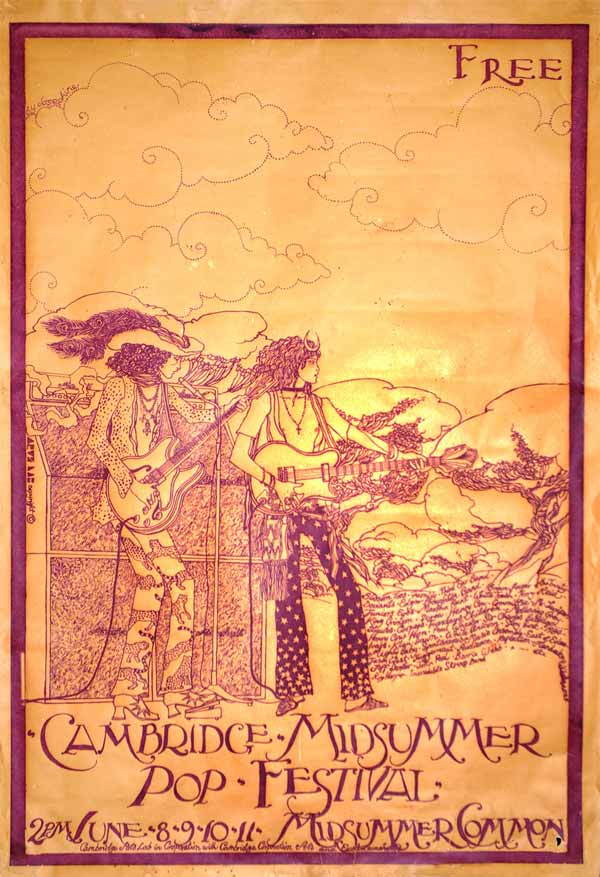
Large open field festivals also begun to be established in other cities. Just 3 days after the Stones in the Park festival was the Cambridge Pop Festival (8-11th June 1969). It is often considered the first truly free rock festival without corporate sponsors.

A close up of text on a white background

Description automatically generated
A poster of Cambridge Midsummer Pop Festival

As you can see with the iconography of the festival poster above, there is a likeness in mystical imagery/typography to the Gandalf’s Garden periodical. Unlike the Stones festival, there is little documentation of the event bar a poster and few images collated on the Rock Festivals blog. What little information we do have is that the event was set up in co-ordination with the Cambridge Arts Group and Cambridge City Council entertainments manager.

Plume City Festival

A close up of a newspaper

Description automatically generated
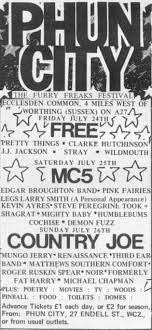
A poster for Phun City festivals featuring the likes of Detroit’s Garage Rock band,Motor Ciy Five.

The proceeding summer of 1970 saw Plume City festival. Plume City is often misconceived as being the first free festivals. However, Plume City is significant as it is the first free festival to take place in a rural space. Ecclesden Common sits by the A27 Dual carriageway outside Worthing.

Furthermore, unlike Cambridge Festival, Plume gained a reputation for being a shambolic affair. An injunction that was served 10 days before the festival made it almost not come to the light of day. The result was a festival that both organisers, Mick Farren & The Deviants, and Hell’s Angels security lost complete control of due to lack of facilities and organisation.

Locals and authorities may have been begrudging toward the Cambridge pop festival and later saw a change of location in the proceeding year. But Plume City festival appears to be one of the first free festivals to have a strong opposition from locals and authorities. Tensions between locals and free festival organisers is narrative we shall see recurring in the political and independent festivals.  

Plume city would go on to inspire other free festivals such as Windsor and Stonehenge that provided a far more political edge.

References: Sources

http://www.ukrockfestivals.com

https://mashable.com/2015/11/01/rolling-stones-hyde-park/?europe=true

Ed Vulliamy, Peter Beaumont and Tess Reidy , ‘Hyde Park, 1969: the counterculture’s greatest day. And the Rolling Stones came too’, The Observer , 7 April 2013

Introduction

Introduction:

Hi everyone welcome to Rural Counterculture, Politics and Protest.

My blog will focus on the development of countercultures within English Rural spaces.

In each post I will explore individuals and events that will provide a progressive and interconnecting narrative. The three key individuals are Michael Eavis, Phil Russel and Jim Hindle.

What do these three people have on common you ask? All were involved and/or associated with the New-Age traveller and festival movements. Throughout these blog posts, I shall use artefacts within the archives of The Museum of English Rural Life. These shall be used as a point of analysis or visual aids.

Throughout this journey we will explore the origins of the new age traveller movement, the emergence of festival culture, and its surrounding political ideologies and protests.

The timeline will begin in the early 1970s with the start of the emerging free festival culture. I will conclude at end in the 1990s with the implementation of the Criminal Justice bill, and discuss its repercussions upon both free parties and political protests.

I was inspired to create this blog through drawing correlations between the recurring theme of freedom and restriction of movement in countryside. I applied this theme to the parallels between the 19th and 20th centuries rural issues.

This journey bridged my reading of 19th century rural literature from the likes of John Clare, toward the histories, sociology and legislations of the 20th century.

My study of Clare’s poetry helped me identify the impact of the Acts of Enclosure and local laws of the ‘black-coated brigade’ upon the movement and cultures of working rural communities.

The new Acts of Enclosure devastated the rural landscape and limited the movement of rural people through trespassing laws.

Beyond this, the Acts resulted in a radical transformation of the English Countryside with the destruction of wild land to construct boundaries for property owners. The removal of rights to common or free land also led to a diaspora of rural inhabitants.

Despite these parallels, the strangeness 20th century equivalent of is the origin of the individuals that were affected by legislative restriction of movement.

The phenomenon we see in the proceeding century is one that is inherently urban and a far removed from surrounding rural living and infrastructures. You shall see this contextualised in the proceeding blog.

Returning to the 19th Century origins of the project, I had great interest in the legislation of the ‘’black-coated brigade’’ who strictly enforced law within rural parishes. These religious figures prevented cultural practises of rural workers (e.g gambling and drunkenness of Sundays).

 In the 20th century, we shall see a similar repression of cultural practises against New Age Travellers in a very different way!

Before I proceed with later blogs, I would like to address the often-ambiguous term, New Age Traveller. Some have defined the movement in terms of New Religion and spirituality, whilst others define it as a social movement.

Throughout the blog I will use New Age travellers as an umbrella term for the likes of Hippies, Festival Organizers, Protesters, Pagans, Punks, Ravers and Political Activists. I hope to create a picture of the crossover and blurring of these sub-categories to capture the complex diversity of the New Age Traveller.

I hope you enjoy the blog.

References:

Steven Suttcliffe, Children of the New Age: A history of spiritual practises (London: Routledge , 2003)

Design a site like this with WordPress.com
Get started